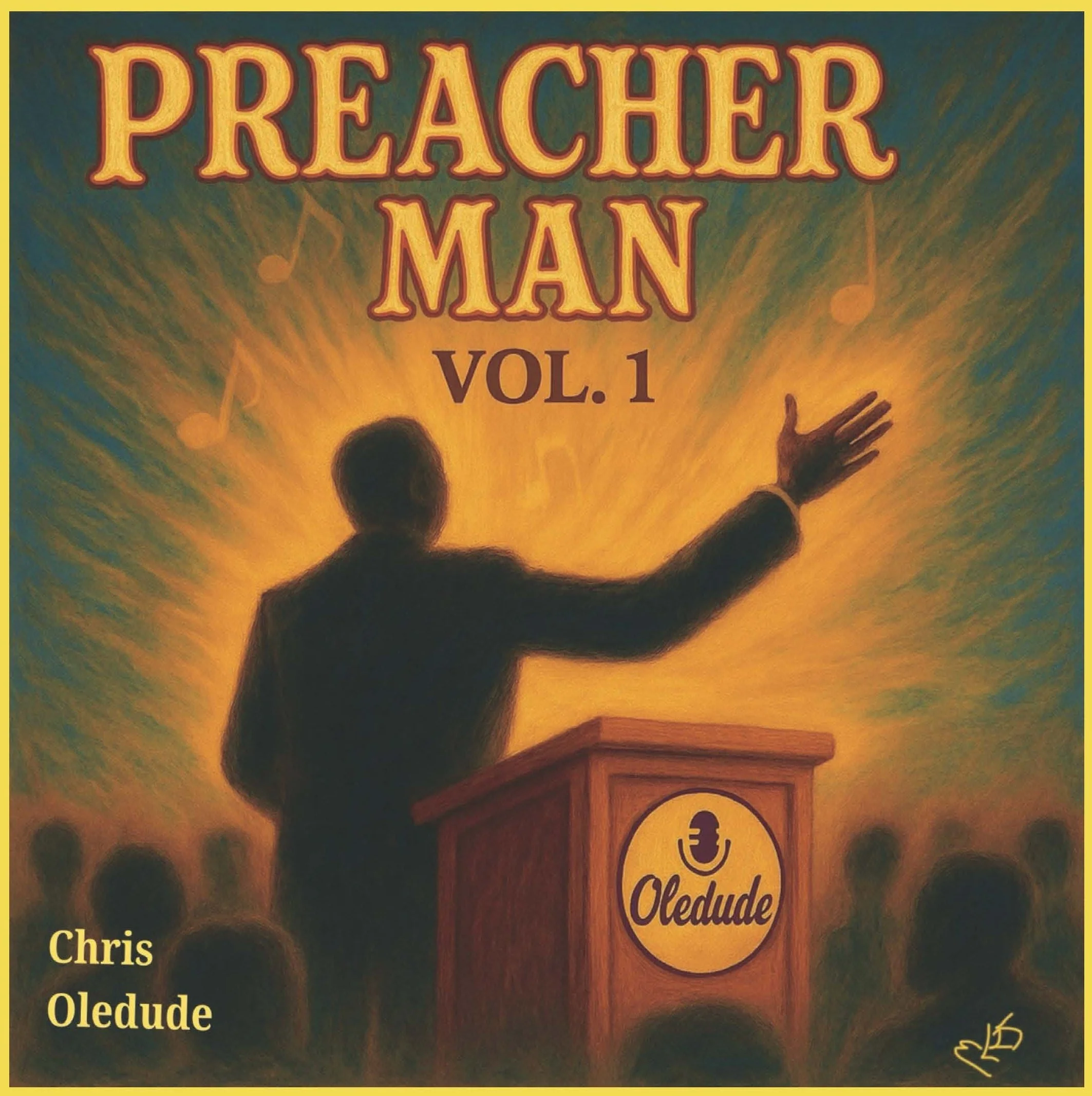
Read about PREACHER MAN - VOL. 1 …
ANALYZE MY LYRICS 12/10/25 *** : Preacher Man - Vol. 1
Chris Oledude’s debut album Preacher Man – Vol. 1 does something special, feeling both sweeping and intimate, urgent and hopeful, personal and communal all at once. Spanning four decades of lyrics he has created, the album forms a unified body of work rooted in social justice, compassion, responsibility, and belief that ordinary people can spark extraordinary change.
Rather than functioning as disconnected singles, the songs speak to one another, forming a kind of moral and emotional arc in which Oledude’s voice becomes a guide through struggle, reflection, and ultimately a renewed commitment to humanity. In that way, this record is less a collection of tracks and more a lyrical conversation about justice, empathy, and the choices we make as communities and individuals.
Across the entirety of this record, Oledude draws from that tradition of socially conscious songwriting which foregrounds direct language, emotional visibility, and moral clarity. Rather than leaning on metaphor for metaphor’s sake, he repeatedly opts for plainspoken truth as his central tool. That frees the album’s messages to reach the listener without filters: freedom is necessary, justice is required, love is nonnegotiable, and apathy is dangerous. From the opening lines to the final refrain, Oledude roots the album in the belief that change, though difficult, begins with human connection.
One of the clearest threads running throughout the album is an idea of collective responsibility. Oledude returns to a core message time and again: it takes people joining hands to repair a fractured world. The theme appears in various forms-through pleas for social unity, critiques of inequality, and reminders that empathy must guide action-but the core principle remains consistent. On Freedom Prayer, the album’s first track, Oledude immediately establishes this tone through insistent calls for hope, work, forgiveness, and communal voice. The simplicity of the language is intentional; it mirrors a chant or affirmation, something shared rather than merely spoken. This opening gesture undergirds all that follows. The album is not merely one of calling out injustice; it’s about awakening the listener’s sense of agency.
Throughout Preacher Man – Vol. 1, Oledude turns repeatedly to the idea of an inner moral compass, particularly in the context of social turbulence. The lyrics of Rainbow Soul expand on this, blending political awareness with spiritual resilience. When Oledude writes about trust, shared challenges, and the vision of a “rainbow” shining in every soul, he is not just celebrating diversity—he is insisting on unity as an active practice. This insistence echoes through the album in different ways: even when the songs critique political failures or social inequality, Oledude continually returns to love, trust, and solidarity as the only possible answers. The result is a recurring idea that moral progress requires both courage and compassion.
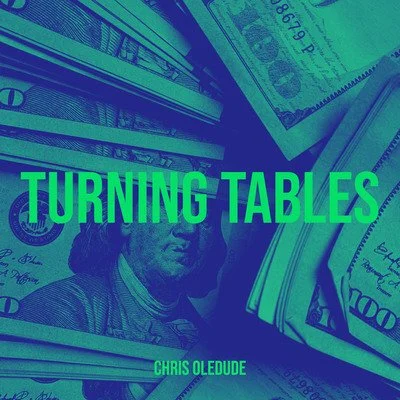
Another major lyrical thread is Oledude’s exploration of inequality, power, and the harm caused when societies lose sight of justice. Turning Tables, one of the album’s singles, brings this theme to sharp focus. While on surface level, it’s a song about fair wages, within the album’s larger context, it becomes a symbol of all systems that devalue human life and dignity. Drawing from real-world examples, like parents unable to provide basic needs for their families or workers denied fair compensation, Oledude makes sure to remind the listener that economic inequality isn’t an abstract theory but something that has immediate emotional and moral impacts.
Then there’s No Crowns for Clowns, which critiques political corruption and the erosion of democratic principles; taken together, one begins to see an emerging pattern-the album positions justice as a shared obligation and insists that silence is no neutral position.
While many of the songs confront societal issues head-on, the album never descends into hopelessness or cynicism. Instead, Oledude keeps weaving in reminders of personal responsibility, spiritual strength, and the capacity to choose compassion even when chaos presents itself. A song like If A Woman Had Made the World imagines an alternate reality made from empathy, reciprocity, and nurturing leadership. As such, this speculative vision isn’t presented as fantasy but as a challenge: if we can conceptualize what a better world might look and feel like, what stops us from working towards it? In this way, imagination consistently functions as a call to action on the album.
Among the most emotionally resonant lyrical themes on the album is the question of how violence affects children, families, and the least able to defend themselves. Save the Children functions as a cornerstone for such discussions. Never once losing directness, Oledude uses imagery to expose how violence, war, and political greed let down the most vulnerable of all. Most strikingly, he does not point out any one group as blame-worthy but widens the frame toward all people and nations caught up in violence. In the context of the full album, it sounds like a reminder that justice and peace are not ideological abstractions but real-life matters involving real casualties.
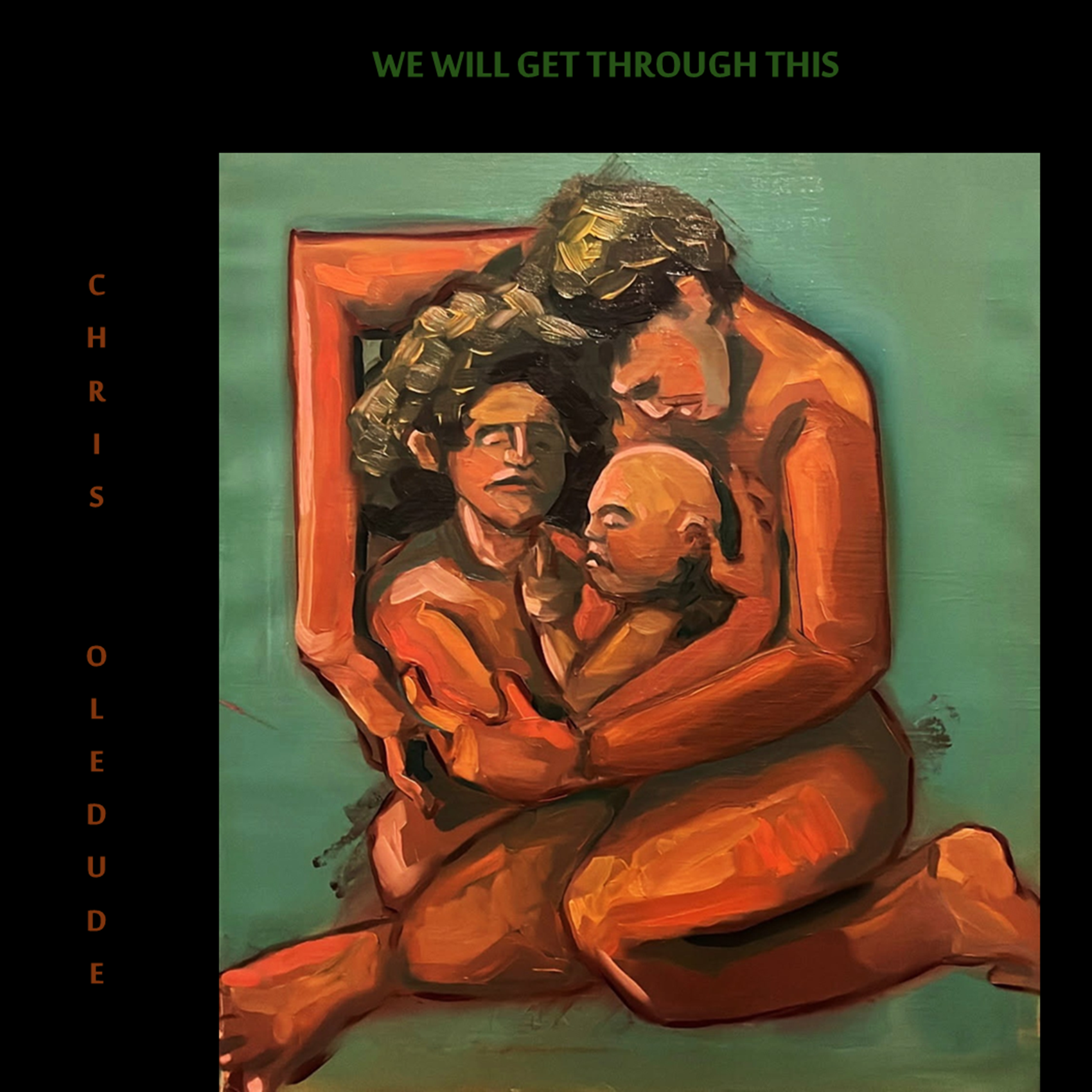
This theme of shared humanity reappears in gentler form in We Will Get Through This, which shifts from global concerns to the interpersonal. Here, Oledude turns to emotional support, mutual care, and the importance of presence during hardship. The lyrics emphasize partnership, resilience, and unconditional support, showing that compassion works on all levels-from global questions of justice to the private struggles of individuals. This is one of the album’s greatest strengths: the connection between personal and political. For Oledude, they are not separate; indeed, he suggests that the ways in which we care for each other in close relationships mirror the ways in which we should respond to broader injustice.
Orange Blues, lighter in tone, of course, is not without an important place in the thematic web of the album. Humor, desire, and everyday frustration pull the lid off a world overwhelmed by stress and political turmoil. Even in the song’s playful language, a picture emerges of how exhausting it might be to balance personal joy with constant waves of distressing news. This returns to the larger theme of the album: the world is complicated, but even love can become a tool of survival and resistance.
As the album progresses towards its final tracks, the tone becomes increasingly reflective and philosophical. The song I Hate Hate portrays the emotional exhaustion created by endless cycles of violence, misdirection, and ideological manipulation. Instead of sinking into bitterness, however, the song focuses on selecting love as a counterbalancing force. By enacting characters like Jack and Jill who clearly wrestle with grief and loss and confusion, Oledude is reminding the listener that love is an active stance, rather than a passive feeling. To end the cycles of violence, in fact, it takes work, discipline, and clarity about what one is trying to achieve.
The closing track, The Choice, provides a final statement for the album and summarizes many of its core themes. The song anchors the album’s overarching question-what do we choose, individually and collectively, when faced with fear, inequality, conflict, and environmental destruction-via references to history, community, spirituality, and the earth itself. This refrain about choosing wisely ties back to the album’s earlier messages of unity, responsibility, fairness, and empathy. Taken together, this last track positions the entire album as a moral journey. Oledude portrays humanity standing at a crossroads, and the lyrics urge listeners to act with courage, humility, and love.
Yet, the strength of Preacher Man – Vol. 1 lies not just in the power of each individual lyric, but in how those lyrics work together to build a rich, cohesive message. Across all eleven tracks, Oledude crafts a lyrical world that brings social consciousness and emotional honesty into harmony. He acknowledges pain and unfairness without abandoning hope. He criticizes systems while never forgetting the humanity of the people. And he always circles back to themes of solidarity, dignity, and the transformative power of love.
For a first album, it reveals an artist who writes with purpose and conviction but also with deep care for the listener. Oledude’s lyrics call for action, but they also offer comfort. They challenge, yet they invite. They critique, but ultimately, they uplift. Preacher Man – Vol. 1 stands as a lyrical testimony to the fact that music can still speak to the conscience, provoke self-reflection, and create the collective spirit necessary to imagine and contribute toward a more loving and just world.
Full review at https://www.analyzemylyrics.com/chris-oledude/
MUSIC REVIEW WORLD 11/12/2025 *** Chris Oledude – Preacher Man – Vol. 1 (Album Review)
Chris Oledude’s Preacher Man, Vol. 1 is not just an album; it’s a revival. The project is a culmination of decades of artistry, reflection, and activism from a musician who has lived through, and sung through, the turbulence of modern America. Born Chris Owens in Puerto Rico and raised in a deeply musical and socially conscious family, Oledude channels a lifetime of experience into an album that fuses groove with purpose.
From the opening moments, layered with ambient sounds of nature and a resonant voice calling out for freedom, you know you’re entering sacred territory. The first song sets the tone: soulful, introspective, and unafraid to wrestle with hard truths. Oledude’s vocal presence is rich and commanding, but never overbearing; it feels like he’s guiding a congregation through both sorrow and celebration.
Throughout the record, Oledude balances heartache with hope. Songs like “The Choice” and “Save the Children” confront systemic injustice and moral responsibility with lyrical precision and emotional weight. In contrast, “Rainbow Soul” and “If a Woman Had Made the World” bring joyful energy, built on funk-infused basslines, tight harmonies, and infectious optimism. These songs groove while carrying messages that stick long after the rhythm fades.
“Orange Blues 24,” one of the standout tracks, hits with raw urgency. Its blistering blues riffs and defiant tone recall protest traditions of earlier generations, yet it feels entirely of the moment. “No Crowns for Clowns,” meanwhile, pairs biting political critique with sharp, modern production. Both pieces demonstrate Oledude’s skill at translating righteous anger into art that moves the body as much as the mind.
Production-wise, Preacher Man, Vol. 1 shines. The mixes are clean and dynamic, with clear separation between instruments. Bass lines are warm and defined, while the layered vocal arrangements, sometimes choral, sometimes conversational, create depth and texture. Spoken-word passages appear throughout, offering moments of reflection amid the rhythmic pulse. The transitions between songs feel deliberate and cohesive, allowing the album to play like a continuous narrative rather than a collection of tracks.
There’s a deep reverence for musical history here: traces of classic soul, gospel, funk, and folk are interwoven into Oledude’s contemporary sound. The result is a sonic tapestry that nods to artists like Curtis Mayfield, Stevie Wonder, and Gil Scott-Heron, yet speaks with Oledude’s own unmistakable voice.
What makes Preacher Man, Vol. 1 so striking is its sincerity. This is the work of an artist rediscovering his purpose through sound. Every lyric feels earned, every groove intentional. Oledude has transformed grief, activism, and love into something deeply human and spiritually elevating.
In an era hungry for authenticity, Preacher Man, Vol. 1 stands tall, a vibrant, fearless collection that reminds listeners that music can still heal, challenge, and inspire. It’s a record that doesn’t just speak truth to power; it invites power to listen.
SCORE / Excellent – In the end, Preacher Man, Vol. 1 feels less like a debut and more like a long-awaited homecoming. Chris Oledude reclaims his voice not just as a musician but as a messenger, bridging generations, genres, and struggles with honesty and heart. His songs remind us that rhythm and resistance can coexist, and that hope can still move mountains.
Full review at https://musicreviewworld.com/chris-oledude-preacher-man-vol-1-album-review/